Shipping, one of the oldest professions known to mankind, has weathered countless storms and witnessed remarkable transformation since its inception. From the humble steamships of yesteryear to modern nuclear-powered vessels, the industry has adapted to changing times. Despite these advances, the commercial sector still relies heavily on traditional methods for communication and negotiation. In an era hurtling towards digitalisation, it is high time shipping embraced technological solutions, and the integration of Artificial Intelligence promises to revolutionise how owners and charterers do business.
The evolution of shipping
The history of shipping is a tale of evolution, marked by the transition from wind-powered vessels to steam engines and, more recently, to nuclear propulsion. However, when it comes to business dealings, the industry often finds itself anchored in traditional practices. Owners and charterers negotiate, fix terms and navigate the complexities of contracts through emails, phone calls and personal contacts.
The digital revolution
As the rest of the world undergoes a digital transformation, shipping is not far behind. AI is poised to play a pivotal role in reshaping how business is conducted. The time is ripe for stakeholders to welcome this change with open arms. Contrary to fears of job losses and missed opportunities, technology aims to empower shipping professionals, making transactions more efficient and time-effective.
Using technology to save time
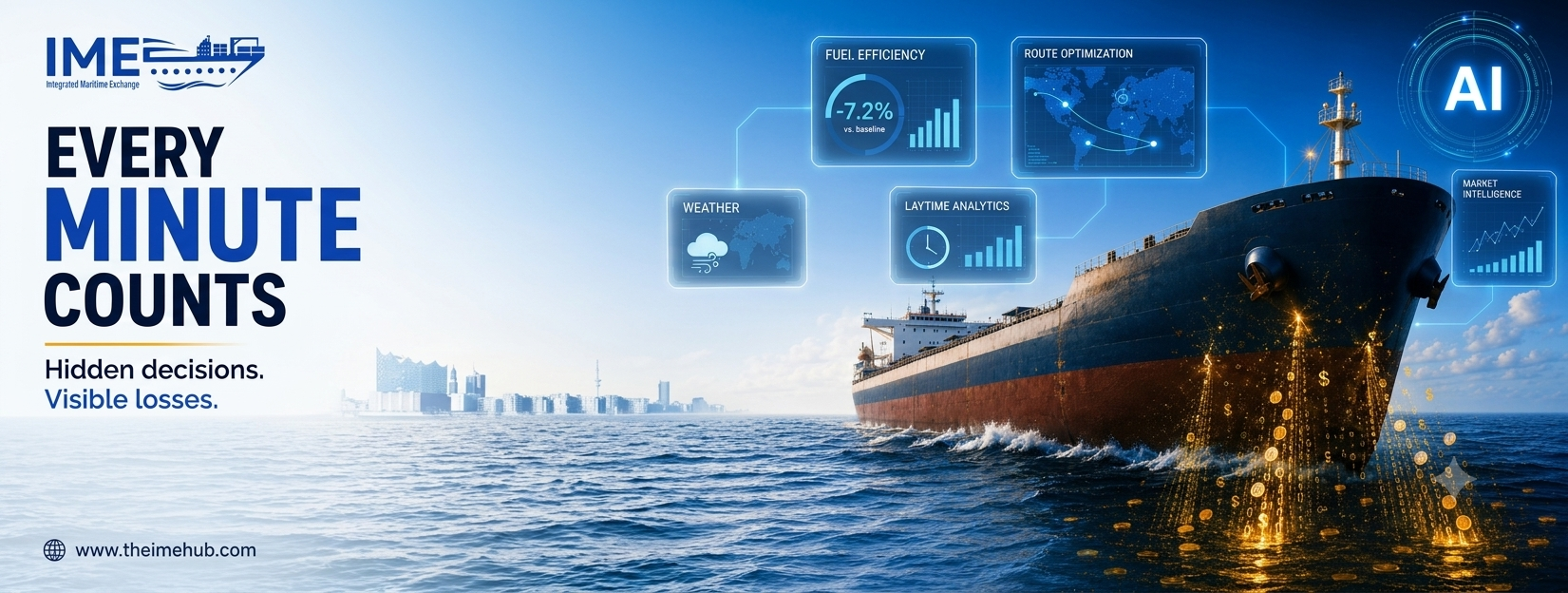
One of the significant challenges facing commercial shipping professionals is the time-consuming nature of their tasks. With the aid of AI, routine operations such as fixing business, negotiations and contract management can be streamlined, reducing what used to be 24-hour jobs to a matter of minutes. That time saved can then be used to explore and secure additional business.